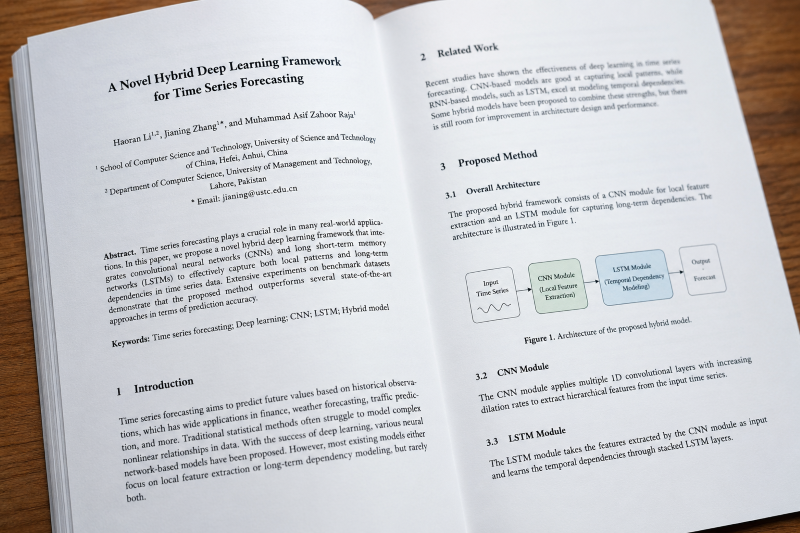
Professionalism in academic writing extends far beyond sophisticated vocabulary and the accumulation of citations. A professional academic paper reflects clarity of thought, intellectual discipline, consistency in presentation, and adherence to recognised scholarly conventions. Readers often form impressions about the credibility of a study within moments of encountering its title page, structure, and formatting. Consequently, the appearance of professionalism significantly influences how research is perceived by lecturers, reviewers, editors, and fellow scholars. Although the quality of evidence and originality of ideas remain paramount, the presentation of those ideas can determine whether a paper is taken seriously.
One of the most visible indicators of professionalism is proper formatting. Established style guides, particularly the American Psychological Association (APA) Publication Manual, provide detailed instructions regarding margins, fonts, spacing, headings, title pages, page numbering, and reference lists. Such uniformity is not merely aesthetic. According to the American Psychological Association (2020), consistency enables readers to focus on the content rather than being distracted by irregular formatting. Standardisation also improves accessibility and facilitates efficient peer review. When a manuscript follows recognised conventions, it signals that the author understands disciplinary expectations and respects scholarly norms.
Equally important is a clear and logical organisational structure. Professional papers guide readers systematically from one idea to another. The introduction establishes the context of the study, presents the research problem, identifies gaps in existing literature, and articulates objectives or hypotheses. Subsequent sections develop arguments coherently, ensuring that each paragraph contributes meaningfully to the overall purpose of the paper. Effective transitions strengthen continuity and prevent abrupt shifts in thought. In empirical studies, the IMRaD framework (Introduction, Method, Results, and Discussion) remains a widely accepted organisational model because it enhances clarity and reproducibility (Swales & Feak, 2021).
The title of an academic paper contributes substantially to its professional appearance. A concise yet informative title communicates the study’s focus without unnecessary complexity. Overly broad, vague, or sensational titles may undermine scholarly credibility. Professional titles often incorporate essential variables, populations, or contexts while remaining accessible to potential readers. Because titles frequently determine whether audiences proceed to read abstracts or full manuscripts, their precision carries considerable significance.
Abstracts likewise play a critical role in projecting professionalism. A well-written abstract succinctly summarises the purpose, methodology, principal findings, and implications of the study. Since abstracts are commonly indexed in academic databases, they function as gateways to the research itself. Poorly constructed abstracts characterised by ambiguity or excessive detail can diminish the perceived quality of otherwise rigorous work. Effective abstracts demonstrate the author’s ability to synthesise complex information accurately and efficiently.
Language choice constitutes another hallmark of professional academic writing. Professional papers employ a formal, objective, and precise tone. Colloquialisms, contractions, emotive expressions, and conversational language are generally avoided. Precision in language reduces ambiguity and strengthens arguments. Rather than relying on exaggerated claims, professional writers present evidence cautiously, distinguishing clearly between established findings, interpretations, and speculation. This balanced approach reflects intellectual honesty and scholarly maturity.
Grammar, punctuation, and syntax further influence perceptions of professionalism. Frequent grammatical errors may distract readers and raise concerns regarding the author’s attention to detail. While occasional minor mistakes are understandable, persistent errors can undermine confidence in the research process itself. Careful proofreading, revision, and, where appropriate, professional editing contribute substantially to the quality of presentation. Professional scholars recognise that polished writing reflects disciplined thinking.
The effective use of headings and subheadings also enhances professionalism. APA Style provides five hierarchical levels of headings that assist readers in navigating complex discussions (American Psychological Association, 2020). Headings break lengthy texts into manageable sections and clarify relationships among concepts. They allow readers to anticipate the progression of arguments and locate information efficiently. A manuscript lacking clear sectional divisions may appear disorganised regardless of the quality of its content.
Professional academic papers distinguish themselves through robust engagement with existing literature. Literature reviews should move beyond descriptive summaries to demonstrate critical analysis. Authors are expected to identify patterns, contradictions, methodological limitations, and unresolved questions within prior scholarship. This analytical engagement illustrates the writer’s familiarity with disciplinary conversations and positions the current study within broader intellectual debates. Merely listing studies chronologically without evaluating their contributions often signals inexperience.
Accurate citation practices represent another indispensable element of professionalism. In-text citations acknowledge intellectual debts and enable readers to verify claims. Proper referencing safeguards against plagiarism and reinforces academic integrity. The author-date system employed in APA Style allows readers to identify sources efficiently while maintaining readability (American Psychological Association, 2020). Consistency between in-text citations and reference entries demonstrates meticulous attention to detail. Missing references, inaccurate publication details, or inconsistent formatting can detract from an otherwise strong manuscript.
Professionalism also involves the ethical representation of evidence. Selective reporting, misinterpretation of findings, and unsupported assertions compromise scholarly credibility. Authors must present evidence transparently, acknowledge limitations honestly, and avoid overstating conclusions. The discussion section should distinguish between findings supported directly by data and broader implications that require cautious interpretation. Such transparency fosters trust and aligns with the ethical foundations of academic inquiry.
Tables and figures contribute significantly to professional presentation when used appropriately. Visual elements should clarify information rather than decorate the manuscript. Well-designed tables summarise complex data efficiently, whereas poorly formatted visuals create confusion. APA guidelines emphasise accurate labelling, explanatory notes, and consistency in presentation. Every table or figure should serve a clear analytical purpose and be referenced meaningfully within the text.
Attention to inclusivity and bias-free language has emerged as an increasingly important dimension of professionalism. Contemporary academic standards encourage writers to avoid stereotypical expressions and employ respectful terminology when referring to individuals and groups. APA Style promotes language that recognises diversity and reflects current ethical expectations regarding identity and representation (Purdue Online Writing Lab, 2020). Such practices demonstrate cultural competence and sensitivity to evolving scholarly values.
Professional papers also exhibit coherence at the paragraph level. Effective paragraphs begin with clear topic sentences, develop ideas through evidence and analysis, and conclude by linking back to the broader argument. Excessively long paragraphs lacking focus may overwhelm readers, whereas overly brief paragraphs can disrupt continuity. Cohesion is achieved through purposeful transitions that reveal logical relationships among ideas.
Time management and revision processes often distinguish professional manuscripts from hastily prepared submissions. Experienced scholars rarely regard first drafts as final products. Instead, they engage in multiple rounds of revision involving structural refinement, stylistic improvements, verification of citations, and correction of errors. Peer feedback further enhances quality by identifying ambiguities or weaknesses that authors may overlook. Professionalism therefore reflects both the visible product and the disciplined process underlying its creation.
Finally, genuine professionalism in academic writing arises from the integration of presentation and substance. Elegant formatting cannot compensate for weak arguments, just as excellent ideas may be overlooked if presented carelessly. The most impressive academic papers combine rigorous scholarship with meticulous attention to detail. They communicate respect for readers, confidence in evidence, and commitment to intellectual integrity. By mastering formatting conventions, employing precise language, organising arguments logically, and adhering to ethical standards, scholars enhance both the appearance and impact of their work. Professionalism, therefore, should be understood not as superficial polish but as the visible expression of scholarly excellence.
References
American Psychological Association. (2020). Publication manual of the American Psychological Association (7th ed.). American Psychological Association.
Purdue Online Writing Lab. (2020). Changes in the 7th edition APA format. Purdue University. https://owl.purdue.edu/owl/research_and_citation/apa_style/apa_formatting_and_style_guide/apa_changes_7th_edition.html
Swales, J. M., & Feak, C. B. (2021). Academic writing for graduate students: Essential tasks and skills (4th ed.). University of Michigan Press.
Leave a Reply